Source: Zag Daily
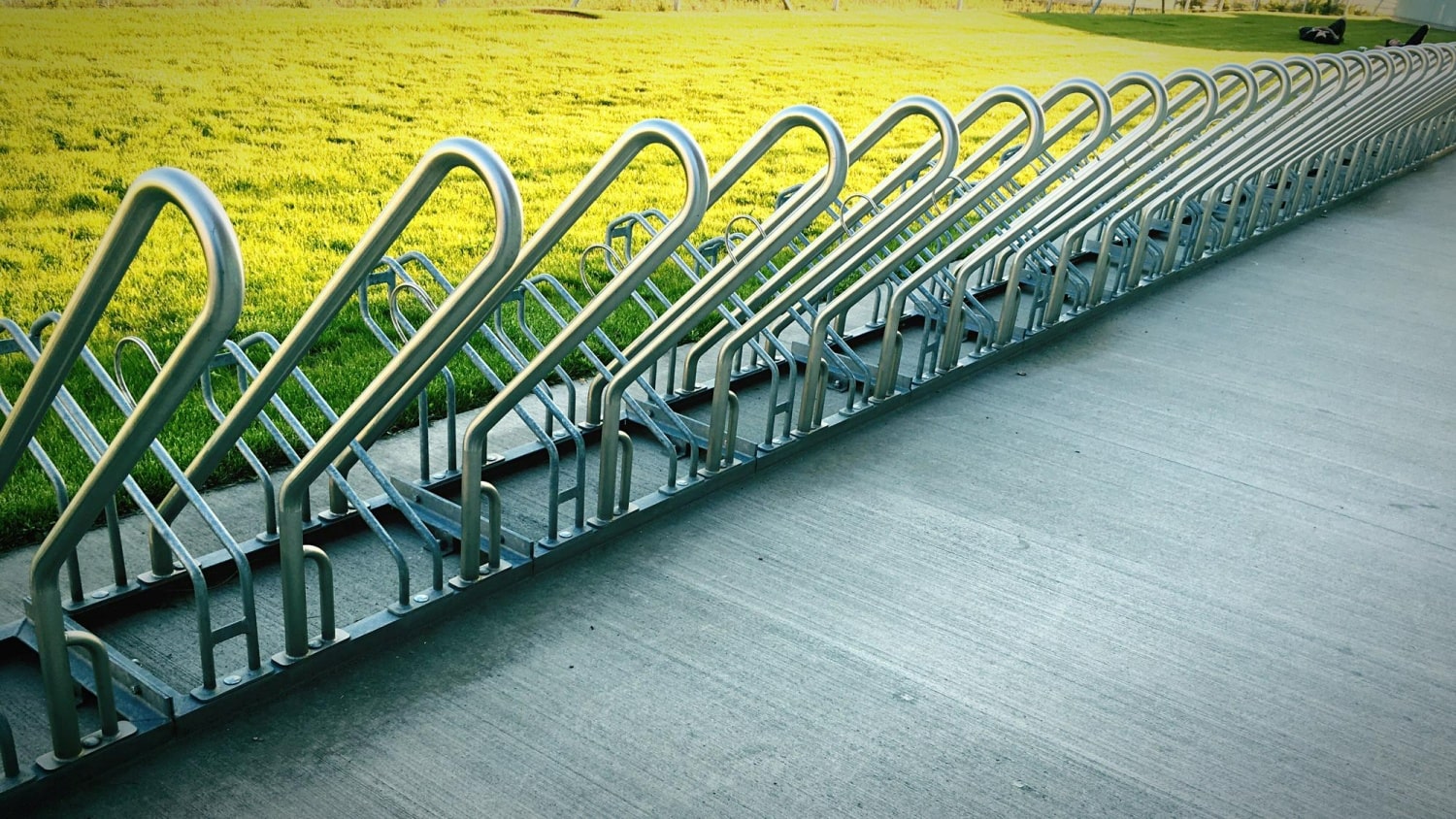
These resources seek to help communities and local authorities convert car parking spaces into functional public areas, such as bike parking, seating spaces, and neighborhood hubs.
As part of this initiative, Possible has released two "Parklets Toolkits," one tailored for local communities and another designed for local government authorities. These toolkits provide step-by-step instructions on the installation of parklets, covering aspects such as project planning, obtaining permissions, and securing funding.
Carolyn Axtell, Kerbside Greening Campaign Manager at Possible, emphasized the importance of such initiatives in promoting active travel. "We would like to see more local authorities adopting solutions like these to make it easier for families to switch to active travel," Axtell told Zag Daily. “If councils are serious about encouraging modal shift, they need to enable the repurposing of car parking spaces for bike and cargo bike parking, and parklets can be one part of the solution.”
The toolkit for communities, developed in collaboration with the Parklets Campaign and the London boroughs of Lambeth, Hackney, and Waltham Forest, provides guidance on selecting appropriate locations for parklets and fostering engagement with local residents. Additionally, it details the necessary permissions from local councils, offers design and funding advice, and presents case studies of successful parklet projects across the UK.
Axtell highlighted the utility of parklets for cargo bike parking, noting that two Waltham Forest residents applied for parklets specifically to address the lack of secure cargo bike storage. “Community parklets can be a great solution for cargo bike parking, and two Waltham Forest residents cited the need for cargo bike parking provision as their impetus for applying for parklets,” she explained.
The second toolkit, intended for local authorities, focuses on developing policy frameworks that support community-led parklet projects. It also outlines strategies for collaboration to ensure parklets meet local needs, provides design and accessibility standards, and showcases examples of successful council-led parklet programs.
The concept of parklets originated in 2005 in San Francisco, where the art and design group Rebar transformed a parking space into a temporary public seating area by paying for a single day’s parking fee. This initiative demonstrated how repurposing parking spaces could encourage greater use of public spaces for social and transportation purposes.
In the UK, the first official parklet was introduced in Hackney in 2015. Developed by Hackney Council in partnership with Sustrans and Cyclehoop, it featured bike racks, benches, and solar-powered lighting. The initiative was well received and became popular among cyclists and pedestrians alike.
Possible’s new guidance aims to expand such projects, encouraging more communities and councils to reimagine urban spaces for public benefit. By providing structured support, the charity hopes to facilitate wider adoption of parklets as a tool for promoting sustainable transport and enhancing local environments.
.webp)

.svg)